

Top Business Leaders | Inspirational Leadership for Success

News

OpenAI Urges the U.S. to Lead the Global AI Race with Strategic Investments and Regulations

OpenAI Urges the U.S. to Lead the Global AI Race with Strategic Investments and Regulations

OpenAI, the organization behind advanced artificial intelligence models like ChatGPT, has urged the U.S. government to prioritize strategic funding and regulation of AI to maintain its edge over global competitors, particularly China. In a recent statement, the company highlighted the transformative potential of AI across national security, economic development, and innovation. It also warned against the risks of falling behind in the rapidly evolving AI race, as China continues to invest heavily in AI advancements. According to OpenAI, the U.S. faces a pivotal moment where proactive measures could determine its future as a global AI leader. This includes increasing federal investments in AI research, fostering collaboration between public and private sectors, and establishing robust policies that balance innovation with accountability. OpenAI emphasized that such measures are not just about competition but also about ensuring the responsible development and deployment of AI technologies that align with societal values and ethical standards. The company called for a national strategy that goes beyond funding, advocating for a comprehensive framework that addresses the potential risks of AI misuse, ensures fair competition, and builds public trust. Transparency, accountability, and collaboration with private-sector leaders, OpenAI suggests, are critical components in crafting effective AI policies. Furthermore, OpenAI pointed out the growing strategic importance of AI in critical areas like defense, healthcare, education, and infrastructure. It warned that the U.S. could lose its competitive advantage if it does not act quickly to match or exceed the AI investments and initiatives of other nations. As the AI arms race accelerates globally, OpenAI’s appeal underscores the urgency of the U.S. taking a leadership role. By prioritizing funding, developing clear regulations, and fostering collaboration, the U.S. has the opportunity to not only maintain its position as an AI powerhouse but also lead the world in shaping the ethical and innovative use of this transformative technology. Source: Reuters
Bill Gates Reflects on $400B Smartphone Misstep: Lessons from Android’s Success

Bill Gates Reflects on $400B Smartphone Misstep: Lessons from Android’s Success

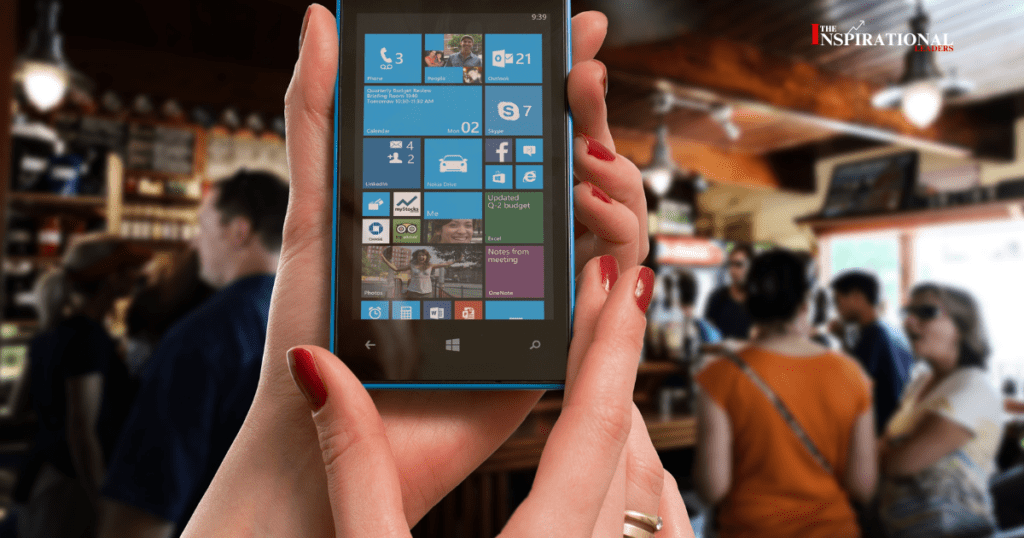
Microsoft co-founder In a candid conversation, Bill Gates shared a striking reflection on one of the most pivotal moments in his career: Microsoft’s failure to secure dominance in the smartphone market, ultimately losing out to Android. During a discussion with Eventbrite CEO Julia Hartz, Gates admitted that this misstep cost Microsoft a staggering $400 billion in potential revenue—an amount that underscores the transformative power and immense profitability of the smartphone industry. Gates described the failure as “one of the greatest mistakes of all time” for the company. He attributed the loss to “mismanagement” during a critical moment when Microsoft had the opportunity to dominate the mobile market. According to Gates, had Microsoft acted decisively, it could have emerged as the primary competitor to Apple in the smartphone space. He went on to say, “It was a natural thing for Microsoft to win against Apple,” but poor execution ultimately led to Android’s dominance. Android Co-Founder’s Response Following Gates’ comments, Rich Miner, co-founder of Android, shared his perspective on the matter through a post on X (formerly Twitter). Miner’s response was candid, suggesting that Gates’ assessment of the situation underestimated his own role in Microsoft’s failure. Miner revealed that Android’s inception was partially driven by a desire to prevent Microsoft from monopolizing the mobile market in the same way it had with personal computers. Android’s open-source approach stood in stark contrast to Microsoft’s more closed ecosystem, fostering innovation and enabling multiple manufacturers to adopt the platform freely. This openness not only empowered developers but also ensured that no single entity could dominate the mobile space, setting a precedent for a more competitive industry. In his post, he stated, “I literally helped create Android to prevent Microsoft from controlling the phone the way they did the PC—stifling innovation. So it’s always funny for me to hear Gates whine about losing mobile to Android.” Miner also highlighted his early involvement in the mobile space, mentioning his work on the first Windows Mobile phone in 2002, the SPV, which he helped launch with Orange. Reflecting on his motivations, Miner explained that he envisioned a mobile ecosystem that was “more open” and less dominated by a single entity like Microsoft. He further added, “So, sorry Bill, you’re more responsible for losing the $400B than you realize.” A Missed Opportunity Gates’ acknowledgment of this strategic error underscores how pivotal the smartphone market has been in shaping the tech landscape, revolutionizing consumer technology through features like app ecosystems, instant connectivity, and the transformation of phones into essential multipurpose devices. From enabling mobile banking to reshaping social interactions, the rise of smartphones has profoundly influenced everyday life and business operations alike. Had Microsoft successfully capitalized on its position, it might have fundamentally altered the balance of power in the industry. Instead, Android emerged as the dominant platform, claiming the lion’s share of the global smartphone market and leaving Microsoft to focus on other ventures. Miner’s remarks offer a fascinating glimpse into the motivations behind Android’s creation and serve as a reminder of how competition and innovation can prevent monopolies from stifling progress. While Gates laments the missed opportunity, Miner’s comments shed light on the broader impact of this “what if” moment in tech history. What might the tech world look like today if Microsoft had seized the smartphone market? Reflecting on such pivotal moments reminds us of the power of timing and innovation in shaping the future. This exchange between two prominent figures in the industry highlights not only the financial implications of strategic decisions but also the ideological battle over the future of technology—a battle that Android ultimately won.

Redefining Connectivity: Google Rolls Out QR Code Sharing for Over 3 Billion Android Devices

Redefining Connectivity: Google Rolls Out QR Code Sharing for Over 3 Billion Android Devices

Google has introduced a transformative update for Android users, allowing seamless file sharing through QR codes. This innovative feature, integrated into the latest Google Play Services update (version 24.49.33), aims to revolutionize how files are shared, addressing long-standing challenges with simplicity and speed. How QR Code Sharing Works on Android The process is intuitive, designed to provide a hassle-free experience: Access Quick Share: From your Android device’s share menu, select the “Quick Share” option. Generate a QR Code: A fullscreen interface appears, offering a new “Use QR code” option under the “Send to nearby devices” section. Tap this to create a unique QR code. Scan to Transfer: Recipients scan the QR code with their device’s camera app, triggering an instant file transfer—no additional apps or setup required. Key Benefits of Google’s QR Code Sharing Feature This update brings several impactful benefits: Effortless Sharing: Say goodbye to pairing devices or manually entering recipient details. The QR code simplifies the entire process. Supports Multiple Devices: Share files with multiple recipients simultaneously using the same QR code. Perfect for group events, team collaborations, or distributing documents. Enhanced Reliability: This feature resolves previous connectivity issues, ensuring a smooth and consistent file-sharing experience across devices. Part of Google’s December 2024 Update Package This addition is part of Google’s December 2024 Feature Bundle, enhancing Android’s ecosystem. While Samsung Galaxy users may recognize a similar functionality via Samsung Quick Share, Google’s implementation makes QR code sharing universally available for all Android devices. This democratizes the convenience, benefiting users across different brands and models. Why This Matters With over 3 billion Android users worldwide, this update signifies a major leap in usability. It simplifies everyday tasks, making file transfers faster and more accessible for personal, professional, and collaborative needs. By eliminating unnecessary steps, it allows users to focus on productivity and connectivity. Boost Your Visibility: SEO-Friendly Keywords QR code file sharing for Android Google Quick Share latest update Android file sharing innovation 2024 Google Play Services new features Simplified file transfers on Android Conclusion: The Future of File Sharing is Here Google’s latest update redefines file sharing for Android users, introducing a practical and reliable solution with QR code technology. By bridging the gap between convenience and efficiency, this feature is set to become an indispensable tool for billions of users. Embrace this cutting-edge functionality today and elevate your file-sharing experience.

Scroll to Top